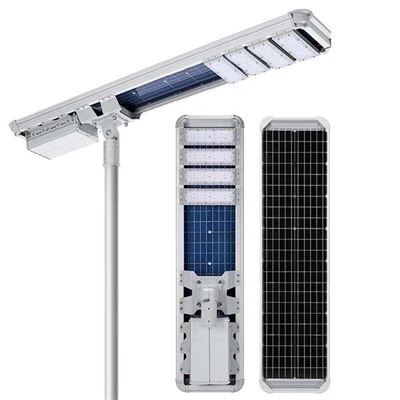
As a supplier of solar street light poles, I often encounter inquiries from clients around the world regarding whether our products comply with international standards. This is a crucial question, as compliance not only ensures the quality and safety of the products but also facilitates their use in various international projects.
Understanding International Standards for Solar Street Light Poles
International standards for solar street light poles are designed to guarantee the structural integrity, electrical safety, and environmental performance of these products. These standards are developed by organizations such as the International Electrotechnical Commission (IEC), the International Organization for Standardization (ISO), and the Institute of Electrical and Electronics Engineers (IEEE).
The IEC sets standards for electrical safety and performance, covering aspects such as the design, installation, and operation of electrical systems in solar street light poles. For example, IEC 62561 provides requirements for lightning protection systems, which are essential for solar street light poles installed in areas prone to lightning strikes.
ISO standards, on the other hand, focus on general quality management, environmental management, and product safety. ISO 9001 ensures that our manufacturing processes are in line with international quality management standards, while ISO 14001 helps us manage our environmental impact during the production and disposal of solar street light poles.
IEEE standards are mainly concerned with electrical engineering and technology. IEEE 1547, for instance, addresses the interconnection and interoperability of distributed energy resources, including solar panels used in solar street light poles.
Our Compliance with International Standards
At our company, we are committed to meeting and exceeding these international standards. Our solar street light poles are manufactured using high - quality materials and advanced manufacturing processes.
Structural Integrity
We use high - strength steel in the production of our poles. The steel is sourced from reputable suppliers and undergoes strict quality control checks. Our poles are designed to withstand various environmental conditions, including strong winds, heavy snow, and seismic activities. We conduct rigorous testing on our poles, such as wind tunnel tests and load - bearing tests, to ensure that they meet the structural requirements of international standards.
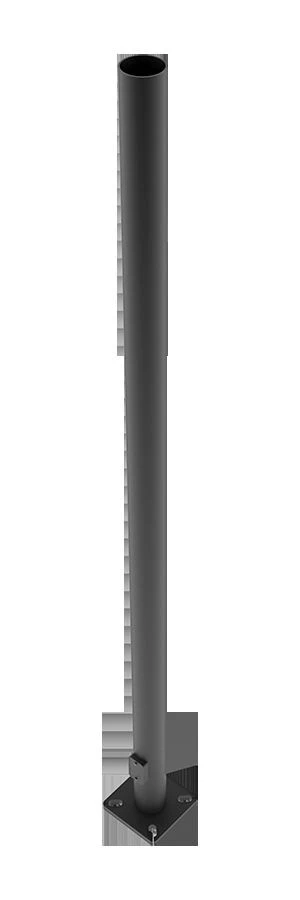
For example, our Round Pole is designed with a smooth and aerodynamic shape, which reduces wind resistance. It is also engineered to have a high load - bearing capacity, making it suitable for use in different outdoor environments.

Electrical Safety
In terms of electrical safety, our solar street light poles are equipped with high - quality electrical components. The wiring is carefully insulated to prevent short - circuits and electrical shocks. We also install over - current protection devices and surge protectors in our products to safeguard against electrical faults.
Our Outdoor Street Light Pole is designed to be weather - resistant, with sealed electrical compartments to prevent water ingress. This helps to ensure the long - term electrical safety of the product, even in harsh outdoor conditions.
Environmental Performance
We are also conscious of our environmental impact. Our solar street light poles use solar energy, which is a clean and renewable energy source. We strive to minimize the use of hazardous materials in our production processes and ensure that our products are recyclable at the end of their life cycle.
Our Led Street Light Pole is energy - efficient, using LED lights that consume less power and have a longer lifespan compared to traditional lighting sources. This not only reduces energy consumption but also lowers the overall environmental impact of the product.
Benefits of Using Compliant Solar Street Light Poles
Safety
Compliance with international standards ensures the safety of the users and the public. Well - designed and tested solar street light poles are less likely to collapse or cause electrical accidents, providing a safe lighting solution for streets, parks, and other public areas.
Quality and Durability
Products that meet international standards are generally of higher quality and have a longer lifespan. Our solar street light poles are built to last, reducing the need for frequent replacements and maintenance. This can result in significant cost savings for our clients in the long run.
Compatibility and Interoperability
Compliance with international standards also ensures the compatibility and interoperability of our solar street light poles with other electrical and lighting systems. This makes it easier for our clients to integrate our products into their existing infrastructure.
How We Assist Our Clients with Standard Compliance
We understand that navigating international standards can be challenging for our clients. That's why we offer comprehensive support to ensure that our products meet the specific requirements of each project.
We provide detailed product documentation, including technical specifications, test reports, and certification documents. Our technical team is also available to answer any questions and provide guidance on the installation, operation, and maintenance of our solar street light poles.
Conclusion
In conclusion, our solar street light poles comply with international standards, offering our clients a safe, high - quality, and environmentally friendly lighting solution. Whether you are a government agency, a private developer, or an infrastructure contractor, our products are suitable for a wide range of applications.
If you are interested in purchasing our solar street light poles, we invite you to contact us for a detailed discussion. Our team is eager to understand your specific needs and provide you with the best - suited products and solutions. Let's work together to illuminate the world with clean and sustainable energy.
References
- International Electrotechnical Commission (IEC). (Year). IEC 62561 - Lightning protection systems components.
- International Organization for Standardization (ISO). (Year). ISO 9001 - Quality management systems - Requirements.
- International Organization for Standardization (ISO). (Year). ISO 14001 - Environmental management systems - Requirements with guidance for use.
- Institute of Electrical and Electronics Engineers (IEEE). (Year). IEEE 1547 - Standard for interconnecting distributed energy resources with electric power systems.