


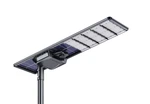
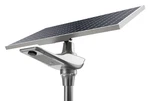
Steel Pole
Founded in 2009, FOREVER LIGHTING is a pioneer in steel poles, solar street lighting, and energy management. We are dedicated to technology innovation, to satisfy customers' needs with our profession and efficiency, and offer the most reliable and lasting steel pole, led street light, and solar street lighting technology. The advantage of our products comes from product quality and cutting-edge technology. Our vision lies in bringing people a lighter future and building our international brand.
Why choose us
Advanced Equipment
We own advanced high-tech full automatic numerical control mechanization production and inspection machines mainly for lighting poles, LED lamps, solar panels lithium batteries, etc.
Competitive Price
With Lower production costs, we enjoy more pricing advantages. Hence we provide competitive prices for customers around the world as much as possible to achieve win-win.
Broad Market
Now we are present in more than 117 countries and regions around the world. We export about 100,000 streetlights per year, bringing public lighting to rural areas without electricity while also accompanying the development of smart cities.
Quality Guaranteed
We take great importance on quality management systems in each process. Each of our products has passed the Raw Material&Semi-Products testing and verification. In addition, warranty statements are also available.
Good Service
We will assist you in all stages from the initial analysis of the project, with the most suitable solar solutions provided by our experts which in compliance with current lighting standards and your budget.
Complete Qualifications
Our factory has passed ISO9001, ISO14001, and ISO45001 certifications, and street lighting products have passed CE, IEC, ROHS, etc certifications and IP66, IES, LM80 tests, etc. If you have some other certificates for specific project requirements, pls consult us.


Introduction of Steel Pole
Steel light poles are the most common light poles. Steel light poles are strong, can be manufactured to meet almost any standard for any application, and are the least expensive light poles except for wood poles. Steel light poles have many options for customization. The life of Steel poles can be extended with galvanized steel or specialized coatings. Steel light poles are your first choice when durability, reliability, and cost are the primary objectives.
Durability
Steel is revered for its unmatched strength and longevity. This toughness translates directly into the performance of steel lighting poles. Capable of withstanding strong winds, harsh weather conditions, and physical impact, our steel lighting poles offer unparalleled reliability.
Cost-effective
A steel light pole costs less than other materials. Moreover, our steel poles are treated with advanced protective coatings that guard against corrosion, adding to their lifespan. The robustness of steel poles results in fewer replacements, which in turn reduces the overall maintenance costs for our customers.
Ease of Installation and Maintenance
Compared to their concrete or wood counterparts, steel lighting poles are significantly lighter, making transportation and installation much simpler. Their low-maintenance nature further adds to their appeal. A periodic check for any signs of rust or corrosion is all that's required, unlike wooden poles that require frequent inspections for rot and insect damage.
Sustainability and Eco-Friendliness
Steel's sustainability is another feather in its cap. Unlike some other materials, steel is 100% recyclable without losing its quality. Here, we are committed to contributing to a sustainable future and, as such, ensure that our manufacturing processes are eco-friendly. We prioritize the recycling of scrap metal, minimizing waste, and reducing our carbon footprint.
Corrosion Resistant
Steel is highly resistant to corrosion and can withstand exposure to harsh weather conditions such as rain, snow, and sleet without being damaged over time. It makes them perfect for areas where the climate changes drastically throughout the year since you won’t have to worry about rust accumulating on your light pole!
Features of Steel Pole
Safety
The steel structures do not require a full-length copper grounding wire. They are self-conducting for grounding purposes. Provisions for grounding are provided on each pole and pre-drilling for removable safety steps is available.
Weight
Weighing approximately 50-70% less than comparable wood structures, the steel poles are easier and less expensive to handle and install.
Flexibility
Poles can be provided either for embedded or anchor base installations, which reduces your application limitations. Steel poles can be custom designed and fabricated to support larger and heavier loadings with longer spans as well as being able to meet greater height requirements. More options can mean fewer poles to purchase and install.
Easy-to-Use
The poles can be pre-drilled to accommodate special customer framing requirements and most existing hardware can easily be used on steel structures.
Uniformity
Constant taper without twists, knots, splits, or bows provide uniform diameters every time. Steel also has uniform material strength throughout the entire structure providing consistent and predictable results.
Corrosion Protection
A variety of finishes are available with steel: galvanized, paint over galvanized (powder coat or liquid), dulled and darkened galvanizing with below-grade coatings. Ground sleeves are available if additional protection is required.
Environmental
Steel poles are an answer to EPA regulations and deforestation issues. The poles are non-toxic, which reduces disposal problems or costs and they can be reused or recycled.
Maintenance
After installing steel poles, you do not have to re-tighten hardware later due to pole shrinkage. Steel retains its shape and strength and isn't susceptible to damage by woodpeckers, insects, rot, or fires. There are no expensive inspection and toxic treatment programs necessary after the installation of steel poles.
Procurement
Lead time is short and predictable with steel poles and there are no costly pre-shipment inspections. Allows a faster return on investment as lines can be erected fast and be in service quickly. The speed with which steel poles can be erected also means enormous cost of labor savings.
Common Types of Steel Pole
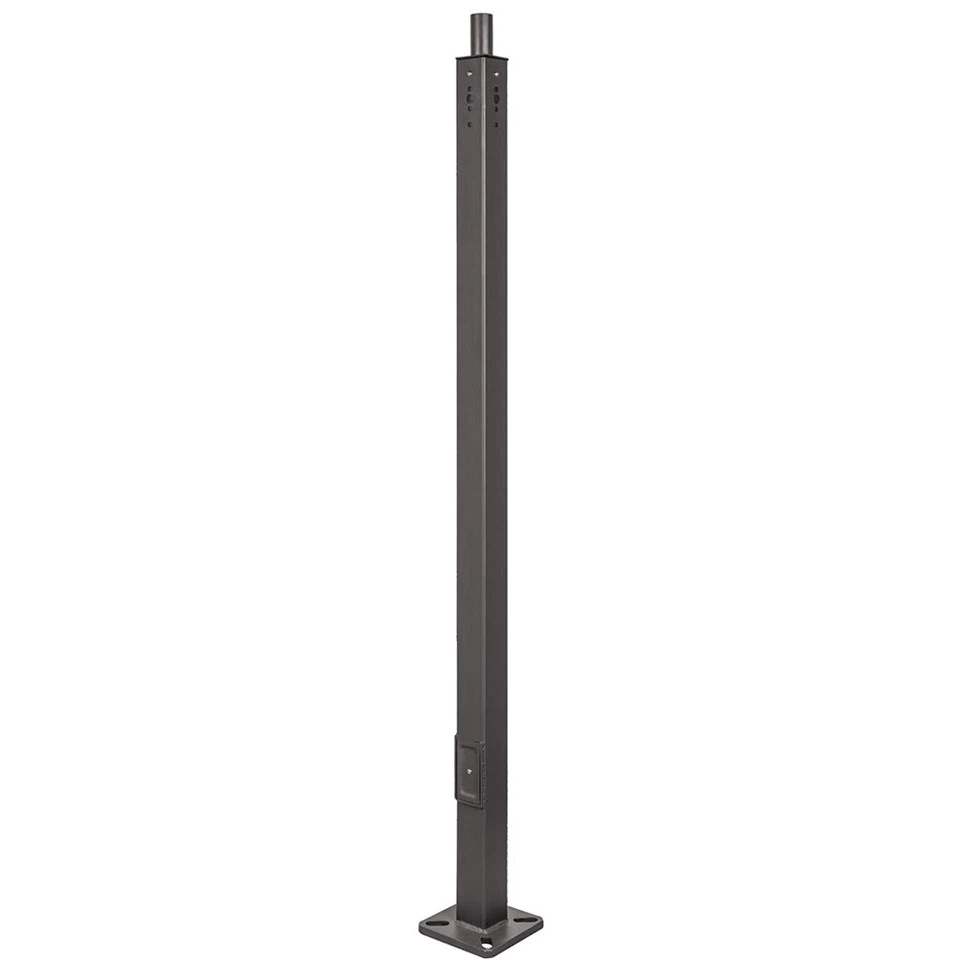


Round Steel Light Poles
The Round Tapered Pole supports light fixtures and other mounted equipment with durable carbon steel. The shaft narrows as it travels upwards toward the fixture, making it ideal for high wind zone areas. The pole includes anchor bolts and a base cover.*Please consult with LED Spot for lead time estimates.
Direct Burial Round Steel Light Poles
Access Fixtures direct burial round steel light poles can be installed without a cement base, reducing installation expenses.
Tapered Steel Light Poles
Access Fixtures steel tapered round light poles are like round round light poles, except the pole tapers as the height increases. Tapered poles can be taller and have less wind-induced vibration.
Square Steel Light Poles
Square steel light poles are commercial-grade light poles that are manufactured for everything from parking lots to sports venues.
Direct Burial Square Steel Light Poles
Like round steel direct burial light poles, direct burial square steel light poles can be installed without a cement base, reducing installation expenses.
Mid Hinged Steel Light Poles
Mid-hinged steel light poles are engineered and manufactured to meet the demands of your lighting or lighting and energy supply requirements.
High Mast Galvanized Steel Light Poles
Galvanized steel high mast light poles are available in square, round, and round tapered to meet virtually any high mast light combination and even light poles that have wind turbines and/or solar power supplies.
What Is the Difference Between the Aluminum Poles And Steel Poles?
The Heavy-duty Marvel
Steel poles are the stalwarts of the light pole industry. They're durable and sturdy, and give you more bang for your buck upfront.
Weight
Heavier than aluminum, steel light poles offer added stability, which can be crucial for certain large-scale projects or wind-prone areas.
Durability
Steel is strong but can be susceptible to rust, so it may require additional treatments like galvanization for longevity.
Cost
Steel offers a cost-effective initial investment, but do keep an eye out for potential maintenance expenses down the line.
Aluminum Light Poles
The Lightweight Contender
Aluminum has been the go-to material for many of our clients, especially those concerned with ease of installation and maintenance.
Weight
Aluminum is your guy if you're looking for something light and easy to handle. This can significantly cut down your transportation costs and make your logistics a breeze.
Durability
Aluminum poles are inherently corrosion-resistant, giving them an edge, especially in coastal or humid regions.
Cost
While aluminum may be pricier upfront, the long-term gains in terms of reduced maintenance and logistics costs can't be ignored.
How to Install The Steel Pole?
Locating underground cables and pipelines
Before you can begin digging the ground for a pole foundation, You should fully understand the location of underground pipelines and cables in that area to ensure you don’t accidentally damage any pre-existing underground infrastructure. The municipalities and counties have detailed maps of underground pipelines and cables, you can learn from it.
Subgrade excavation
This is the first step in installing a light pole, which involves digging the subgrade or the soil surface. The main purpose of this excavation is to create temporary rainwater drainage that prevents water logging in the foundation excavation. We suggest you create an excavation blueprint per the municipal maps since some underground infrastructure might be right under the subgrade.
Foundation excavation
This is the main excavation for pole installation, wherein you’ll likely need an excavator to dig deep. Now, that’s possible that you might over-excavate despite the prior calculations and handy blueprints. But that isn’t a worrying sign, as it a commonplace in almost all excavations. You can easily fix over excavations both in terms of depth and width by filling in sand backfill or crushed stones.
Installing steel bars and plates
After digging into the required depth, you can now start installing the steel bars and metal plates in there. Also, you should clamp the materials along the way as it ensures they stay in place precisely to the blueprint.
Pouring in concrete
Once your rebars and plates are in place, it’s time to pour in concrete. The light pole gains its strength from the concrete, which means you’ve to do it right. Also, concrete pouring has the least room for error since a faulty pouring can damage the whole foundation.
Backfilling the base
Now that the concrete has hardened and is firmly in its place, you can backfill the base. Note: you shouldn’t use the soil you’ve excavated for backfilling as it gets loose during excavation and might weaken your foundation.
Mounting the light pole
To begin with, you’ll need a crane, a locking buckle, and a lift control rope to erect the pole. And this will be followed by dry mortar leveling and vertical ball spotting. Further, anchor screws should be installed right after pole erection to minimize the chances of mishaps.
- A painted product’s service life can be extended by cleaning it regularly and painting over scratches.
- The substrate must always be thoroughly cleaned from grease and dirt before it is painted. Use an emulsifying washing agent, preferably together with an airless spray.
- When using a detergent for cleaning, you must ensure that its pH value is suitable for the pole’s surface treatment and will not damage it.
- Sanding the surface to matt is also recommended to secure the adhesion of the top coat. Washing agents and sanding dust are to be rinsed off with clean water.
- Rust and loose paint are removed by sanding. Edges of the coating are feathered by sanding and the whole area to be coated is wiped with thinner.
- The areas to be painted are primed with a suitable primer.
- Whenever possible, touch-up painting should be done using the same paints and colors that were originally used. The working environment, painting conditions, pretreatment, and painting method may all place limitations on what paints can be used. If you use paints that deviate from the originals, you should check that they are suitable for use with the zinc base and original paints.
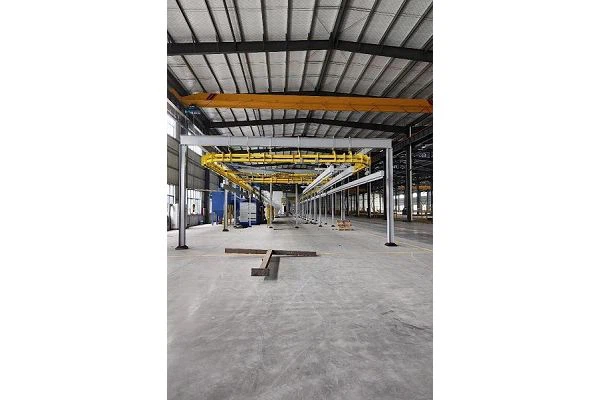
Our Factory


Our Certificates


FAQ
Q: What is the function of the light pole?
Q: Which Industries Should Choose Steel Light Poles?
Parks and locations that feature tennis courts, basketball courts, baseball fields, soccer fields, or football Highways, roads, and residential streets, Industrial, Warehouse, Car dealerships or rent-a-car parking lots, Large parking lots, Elementary school, middle school, high school, college, or university campuses.
Q: What prevents a steel pole from sinking into the soil after it has been set in the ground?
Q: What are the benefits of steel light poles?
Easier to repair, helping to reduce downtime.
Cost-effective in the long term. Upfront, they are more expensive. However, their extremely long lifecycle and low maintenance costs make them very affordable in the long run.
Low maintenance, they do not require much upkeep.
Environmentally friendly because of their longer lifespan and high recycling rate.
Reduce the risk of accidents during repair and limit damage during crashes.
Q: What are the foundation standards for steel light poles?
Q: How long does it take to fix a steel light pole?
Q: How to transport steel light poles?
Q: What happens if a steel light pole falls?
Q: How to install steel light pole?
Attach a sling to the top of the pole.
Attach your luminaires and wiring.
Place the leveling nuts and washers on the anchor bolts.
Erect the pole.
Put the pole over the anchor bolts and set it down on the leveling nut washers.
Q: How do you protect light poles?
Q: What finishes are available?
Q: Can pole manufacturers coat the inside of the poles with galvanizing or paint?
Q: Which Factors Affect the Lifespan of a Steel Light Pole
Lighting poles are used for outdoor lighting applications at several types of places. A crucial factor that affects every outdoor application is the local climate. The steel light pole should be able to withstand the elements like scorching sunlight, heavy rains, strong winds, snowfall, humidity, temperature fluctuations, and so on. However, prolonged exposure to these elements makes steel poles susceptible to corrosion, thereby decreasing their lifespan.
Q: Why do light poles rust?
Q: How high should a light pole be mounting?
Q: How long do steel light poles last?