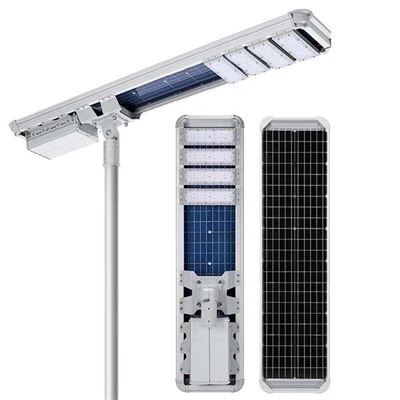
Hey there! I'm a supplier of 20 feet street light poles, and today I want to chat about the light distribution pattern of these poles. It's a topic that's super important when it comes to lighting up our streets effectively and safely.
Let's start with the basics. The light distribution pattern of a 20 feet street light pole refers to how the light is spread out from the fixture on top of the pole. This pattern can have a huge impact on the quality of lighting on the street, as well as on energy efficiency and safety.
There are a few different types of light distribution patterns that are commonly used for street lights. One of the most popular is the Type II pattern. This pattern is designed to provide a wide, even spread of light along the length of the street. It's great for areas where you need to illuminate a large area, like a busy city street or a parking lot. The Type II pattern typically has a horizontal spread of around 60 to 90 degrees, which means that the light is distributed evenly over a relatively wide area.
Another common pattern is the Type III pattern. This pattern is more focused and is designed to provide a narrower, more concentrated beam of light. It's often used in areas where you need to illuminate a specific area, like a sidewalk or a crosswalk. The Type III pattern typically has a horizontal spread of around 30 to 60 degrees, which means that the light is more focused and can provide better visibility in a specific area.
There's also the Type IV pattern, which is designed to provide a very narrow, focused beam of light. This pattern is often used in areas where you need to illuminate a specific object or area, like a sign or a monument. The Type IV pattern typically has a horizontal spread of less than 30 degrees, which means that the light is very concentrated and can provide a high level of illumination in a small area.
So, which light distribution pattern is best for a 20 feet street light pole? Well, it really depends on the specific application. If you're lighting up a busy city street, a Type II pattern might be the best choice. If you're lighting up a sidewalk or a crosswalk, a Type III pattern might be more appropriate. And if you're lighting up a specific object or area, a Type IV pattern might be the way to go.
In addition to the type of light distribution pattern, there are a few other factors that can affect the performance of a 20 feet street light pole. One of these factors is the height of the pole. A taller pole will generally provide a wider spread of light, while a shorter pole will provide a more concentrated beam of light. Another factor is the type of light fixture that's used. Different types of fixtures have different light distribution patterns, so it's important to choose a fixture that's appropriate for the specific application.
At our company, we offer a wide range of 20 feet street light poles with different light distribution patterns and fixtures. Whether you're looking for a Type II, Type III, or Type IV pattern, we've got you covered. We also offer a variety of different pole designs, including Outdoor Street Light Pole, Octagonal Pole, and Tapered Poles.
If you're in the market for a 20 feet street light pole, we'd love to hear from you. We can help you choose the right pole and light distribution pattern for your specific needs, and we can provide you with a quote for your project. Just give us a call or send us an email, and we'll be happy to assist you.

In conclusion, the light distribution pattern of a 20 feet street light pole is an important factor to consider when it comes to lighting up our streets effectively and safely. By choosing the right pattern and fixture, you can ensure that your street lights provide the right amount of light in the right places. And if you're looking for a high-quality 20 feet street light pole, look no further than our company. We've got the expertise and the products to meet your needs.
References:
- Lighting Handbook: Reference and Application, 10th Edition, Illuminating Engineering Society of North America (IESNA)
- Street Lighting Design Guide, Federal Highway Administration (FHWA)