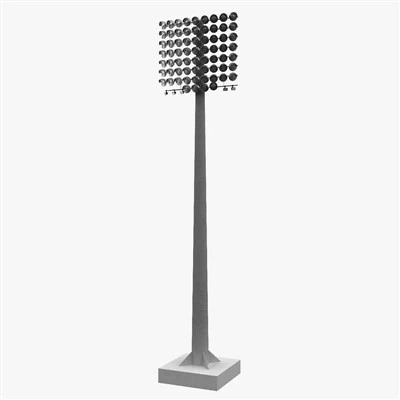
Selecting the right grade of steel for a pole is a critical decision that can significantly impact the performance, durability, and cost - effectiveness of the pole. As a steel pole supplier, I understand the importance of this choice and am here to guide you through the process.
Understanding Steel Grades
Steel grades are defined by a combination of chemical composition and mechanical properties. Different grades of steel have different levels of strength, corrosion resistance, and ductility. For poles, the most commonly used steel grades are ASTM A500 and ASTM A572.
ASTM A500 is a standard specification for cold - formed welded and seamless carbon steel structural tubing in round, square, rectangular, or special shapes. This grade is known for its high strength - to - weight ratio, making it an excellent choice for poles. It has good weldability and is available in various wall thicknesses, which allows for flexibility in design.
ASTM A572 is a high - strength, low - alloy structural steel. It offers higher yield strength compared to ASTM A500, which means it can withstand greater loads. This grade is often used in applications where the pole needs to support heavy equipment or withstand high wind loads.
Factors to Consider When Selecting Steel Grades
Load Requirements
The first factor to consider is the load that the pole will need to support. This includes the weight of any attached equipment, such as lights, cameras, or antennas, as well as the wind and snow loads in the area. For example, a 10m Street Light Pole in a high - wind area will require a stronger steel grade than a pole in a low - wind area.


If the pole is supporting heavy equipment, a higher - strength steel grade like ASTM A572 may be necessary. On the other hand, if the load is relatively light, ASTM A500 could be a more cost - effective option.
Corrosion Resistance
Corrosion is a major concern for steel poles, especially in outdoor environments. The level of corrosion resistance required depends on the location of the pole. For example, poles located near the ocean or in areas with high humidity are more likely to corrode.
To enhance corrosion resistance, steel poles can be coated. Hot - dip galvanizing is a popular method, which involves coating the steel with a layer of zinc. A Hot Dip Galvanized Hinged Light Pole offers excellent corrosion protection, making it suitable for harsh environments.
Cost
Cost is always a factor in any project. Higher - strength steel grades are generally more expensive than lower - strength grades. However, it's important to consider the long - term cost. A more expensive steel grade may last longer and require less maintenance, which can save money in the long run.
When comparing costs, also consider the cost of coating and installation. For example, a pole with a corrosion - resistant coating may have a higher upfront cost but can reduce the need for future repairs.
Design and Aesthetics
The design of the pole can also influence the choice of steel grade. Some designs may require a specific steel grade to achieve the desired shape or structural integrity. For instance, a Steel Hinged Pole may need a steel grade that can withstand the stresses associated with the hinged mechanism.
Aesthetics can also play a role. Some projects may require a smooth finish or a specific color, which can be achieved through different coating processes.
Case Studies
Let's look at a couple of case studies to illustrate the importance of selecting the right steel grade.
Case Study 1: A Street Lighting Project in a Coastal Area
In a coastal area, a city was planning to install street lights. The project initially considered using a lower - grade steel pole without proper corrosion protection. However, after consulting with our team, they decided to use a Hot Dip Galvanized Hinged Light Pole made from ASTM A500 steel. The hot - dip galvanizing provided excellent corrosion resistance, ensuring the poles would last for many years in the harsh coastal environment.
Case Study 2: A Telecommunication Tower Project
A telecommunication company was building a tower to support multiple antennas. The tower needed to withstand high wind loads and support the weight of the antennas. After a detailed analysis, we recommended using ASTM A572 steel for the poles. This high - strength steel grade was able to handle the heavy loads and ensure the stability of the tower.
Testing and Quality Assurance
Once the steel grade is selected, it's important to ensure the quality of the steel. This involves testing the steel for its mechanical properties, such as yield strength, tensile strength, and elongation. Our company conducts rigorous testing on all our steel poles to ensure they meet the required standards.
We also follow strict quality control procedures during the manufacturing process. This includes inspecting the raw materials, monitoring the welding process, and checking the final product for any defects.
Conclusion
Selecting the right grade of steel for a pole is a complex process that requires careful consideration of various factors. As a steel pole supplier, we have the expertise and experience to help you make the right choice. Whether you need a 10m Street Light Pole, a Steel Hinged Pole, or a Hot Dip Galvanized Hinged Light Pole, we can provide you with high - quality products that meet your specific requirements.
If you are interested in purchasing steel poles or have any questions about selecting the right steel grade, please feel free to contact us for a detailed discussion. Our team of experts is ready to assist you in making the best decision for your project.
References
- ASTM International. (2023). ASTM A500 Standard Specification for Cold - Formed Welded and Seamless Carbon Steel Structural Tubing in Rounds, Squares, Rectangles, or Special Shapes.
- ASTM International. (2023). ASTM A572 Standard Specification for High - Strength Low - Alloy Columbium - Vanadium Structural Steel.