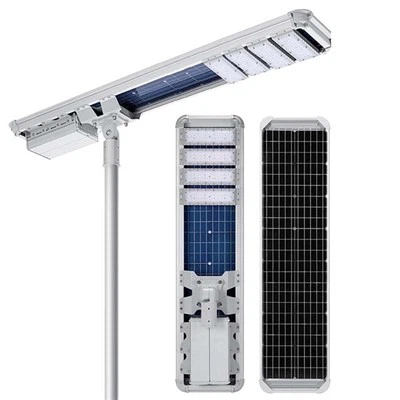
Hey there! I'm a supplier of square poles, and today I'm gonna share with you how to connect square poles together. It might seem like a tricky task at first, but with the right methods and a bit of know - how, you can get it done smoothly.
Why Connect Square Poles?
Before we dive into the how - to, let's quickly talk about why you might want to connect square poles. There are a bunch of reasons. Maybe you're building a fence, setting up a support structure for a canopy, or installing a street light system. In the case of street lights, you might need to connect poles to reach the right height or to create a continuous row of lights along a road. For instance, our 20 Feet Street Light Pole could be part of a larger setup where connecting poles is essential.
Methods of Connecting Square Poles
1. Welding
Welding is a super strong way to connect square poles. It creates a permanent bond between the poles, making the structure very sturdy. Here's how you can do it:
- Prepare the poles: First, clean the surfaces of the poles where you're going to weld. Any dirt, rust, or paint can affect the quality of the weld. Use a wire brush or sandpaper to get the surfaces nice and clean.
- Position the poles: Align the poles properly. You can use clamps to hold them in place while you weld. Make sure they're straight and at the right angle to each other.
- Weld: Use a welding machine appropriate for the type of metal your poles are made of. Start by making tack welds at a few points to hold the poles together. Then, make a continuous weld along the joint. It's important to follow safety procedures when welding, like wearing protective gear.
However, welding requires some skill and the right equipment. If you're not experienced, it's a good idea to hire a professional welder.
2. Bolting
Bolting is another popular method. It's less permanent than welding, which can be an advantage if you need to disassemble the poles later.


- Drill holes: Mark the spots on the poles where you want to drill holes. Make sure the holes are the right size for the bolts you're using. Use a drill with the appropriate bit to make the holes.
- Insert bolts: Put the bolts through the holes in the poles. Add washers on both sides of the poles to distribute the pressure evenly. Then, tighten the nuts using a wrench.
- Check the tightness: Make sure the bolts are tightened properly. Loose bolts can cause the poles to become unstable.
This method is great for DIY projects as it doesn't require specialized skills. You can easily find the necessary tools and materials at a hardware store.
3. Using Connectors
There are various types of connectors available in the market that are designed specifically for connecting square poles.
- Choose the right connector: There are corner connectors, straight connectors, and T - connectors, among others. Select the one that suits your needs. For example, if you're making a 90 - degree corner, a corner connector would be the way to go.
- Attach the connector: Follow the manufacturer's instructions to attach the connector to the poles. Usually, it involves inserting the poles into the connector and tightening some screws or bolts.
Connectors are a convenient option as they're easy to install and can be adjusted if needed.
Considerations for Connecting Square Poles
1. Material Compatibility
Make sure the poles and the connecting materials are made of compatible materials. For example, if your poles are made of galvanized steel, like our Galvanized Steel Light Pole, the bolts or connectors should also be suitable for use with galvanized steel to prevent corrosion.
2. Load - Bearing Capacity
Think about the load that the connected poles will need to support. If you're using the poles for a heavy - duty application, like a large - scale lighting system, you need to ensure that the connection method can handle the weight. For instance, if you're using a 10m street light pole, as in our 10m Street Light Pole, the connection needs to be strong enough to support the light fixture and withstand wind and other environmental forces.
3. Environmental Conditions
The environment where the poles will be installed matters. If the area is prone to high winds, heavy rain, or extreme temperatures, you need to choose a connection method that can withstand these conditions. For example, in a coastal area where there's a lot of salt in the air, corrosion - resistant materials and connection methods are crucial.
Tips for a Successful Connection
- Measure twice, cut once: Before you start connecting the poles, double - check your measurements. This will ensure that the poles fit together properly.
- Use the right tools: Having the right tools makes the job much easier. Make sure you have a good quality drill, wrench, and other necessary tools.
- Test the connection: Once you've connected the poles, give them a little shake or apply some gentle pressure to make sure the connection is secure.
Conclusion
Connecting square poles is a task that can be accomplished with the right approach. Whether you choose welding, bolting, or using connectors, each method has its own advantages. By considering factors like material compatibility, load - bearing capacity, and environmental conditions, you can ensure a strong and long - lasting connection.
If you're in the market for square poles or need more information on how to connect them, feel free to reach out to us. We're here to help you with all your pole - related needs. Whether it's for a small DIY project or a large - scale commercial installation, we've got the products and expertise to support you.
References
- General knowledge about pole installation and connection methods from years of experience in the industry.
- Manufacturer's instructions for various pole connectors and hardware.