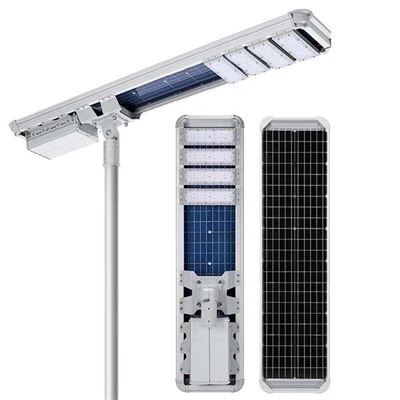
The lifespan of a 9 - meter street light pole is a question that many municipalities, property developers, and facility managers often ask. As a supplier of 9 - meter street light poles, I am well - versed in the factors that influence the longevity of these essential infrastructure components.
Material Quality
The material used in the construction of a 9 - meter street light pole is one of the most crucial determinants of its lifespan. Most street light poles are made of steel, aluminum, or concrete.
Steel poles are a popular choice due to their high strength and durability. High - quality steel poles, when properly treated with anti - corrosion coatings, can last anywhere from 25 to 50 years. The coating acts as a barrier between the steel and the environment, preventing rust and corrosion. For example, hot - dip galvanizing is a common method where the steel pole is submerged in molten zinc. This creates a thick, protective layer that can withstand harsh weather conditions, including rain, snow, and salt spray.
Aluminum poles, on the other hand, are lightweight and resistant to corrosion. They are less likely to rust compared to steel. Aluminum poles can have a lifespan of 20 to 40 years. Their non - magnetic properties also make them suitable for certain applications where electromagnetic interference needs to be minimized.
Concrete poles are extremely sturdy and can last for several decades, often 50 years or more. They are resistant to fire, pests, and environmental degradation. However, they are heavy and more difficult to install compared to steel or aluminum poles.
Environmental Conditions
The environment in which the 9 - meter street light pole is installed plays a significant role in its lifespan. Poles installed in coastal areas are exposed to saltwater, which can accelerate corrosion. Salt particles in the air can settle on the pole's surface and react with the metal, causing it to rust more quickly. In such areas, additional protective measures, such as a more robust anti - corrosion coating or the use of stainless steel components, may be necessary.
In industrial areas, air pollution can also have a negative impact on the pole's lifespan. Pollutants such as sulfur dioxide and nitrogen oxides can react with the pole's surface, leading to corrosion and deterioration. Urban areas with high levels of traffic may also subject the poles to physical damage from vehicle collisions.
In contrast, poles installed in rural or less polluted areas are likely to have a longer lifespan. The cleaner air and fewer sources of physical damage mean that the poles are less likely to experience rapid deterioration.
Maintenance
Proper maintenance is essential for extending the lifespan of a 9 - meter street light pole. Regular inspections can help identify any signs of damage or corrosion early on. This allows for timely repairs or replacements, preventing further deterioration.
For steel poles, maintenance may include checking the integrity of the anti - corrosion coating. If the coating is damaged, it should be repaired or reapplied to prevent rust from forming. For aluminum poles, inspecting for any signs of cracking or deformation is important. Concrete poles may require checks for cracks or spalling, and any damage should be repaired promptly.
In addition to visual inspections, maintenance may also involve tightening bolts and connections, ensuring that the pole is securely anchored to the ground. This helps prevent the pole from becoming loose or unstable, which could lead to safety hazards.
Installation Quality
The quality of the installation also affects the lifespan of the 9 - meter street light pole. A poorly installed pole may be more prone to damage and may not last as long as a properly installed one.
During installation, it is important to ensure that the pole is set at the correct depth and is properly aligned. The foundation should be strong enough to support the weight of the pole and any additional equipment, such as lights and signs. If the foundation is not properly constructed, the pole may tilt or sink over time, which can cause stress on the pole and lead to premature failure.
Comparing with Other Types of Poles
When considering the lifespan of a 9 - meter street light pole, it can be useful to compare it with other types of poles. For example, a 10m Street Light Pole may have different requirements and a potentially different lifespan. The additional height may subject the pole to more wind stress, which could affect its long - term stability.
A Single Arm Street Light Pole has a different design compared to a multi - arm pole. The single - arm design may be more straightforward in terms of installation and maintenance, but it also needs to be properly balanced to ensure its longevity.
An Octagonal Pole has a unique shape that can offer certain advantages in terms of aesthetics and structural integrity. However, the shape may also affect the way it is installed and maintained, which in turn can impact its lifespan.
Conclusion
In conclusion, the lifespan of a 9 - meter street light pole can vary significantly depending on several factors, including material quality, environmental conditions, maintenance, and installation quality. On average, a well - maintained 9 - meter steel street light pole can last 25 to 50 years, an aluminum pole 20 to 40 years, and a concrete pole 50 years or more.


If you are in the market for 9 - meter street light poles or have questions about their lifespan and suitability for your project, I encourage you to reach out for a detailed discussion. We can provide you with high - quality poles and expert advice to ensure that your lighting infrastructure lasts for many years to come.
References
- "Street Lighting Design Handbook", published by the Illuminating Engineering Society
- "Corrosion Prevention in Steel Structures", by the American Institute of Steel Construction
- "Concrete Pole Design and Installation Guidelines", issued by the National Precast Concrete Association